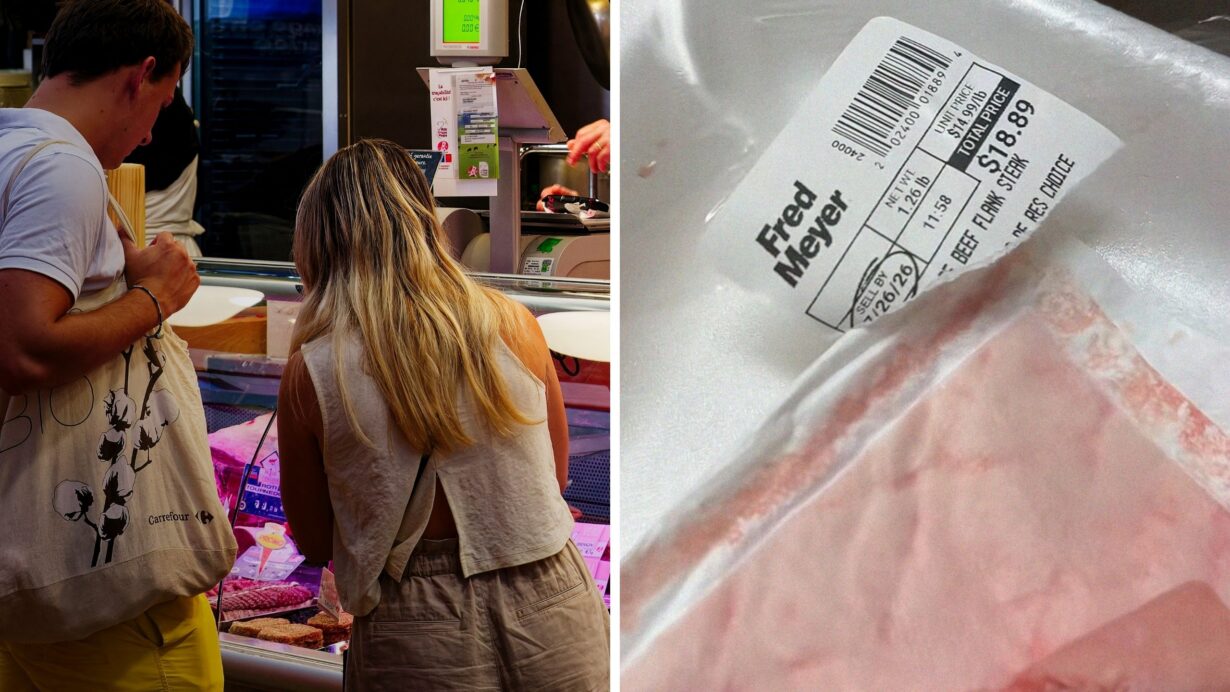

A man catches the internet’s attention after asking why the meat he purchased from Fred Meyer looks 3D-printed. Viewers are convinced he’s eating horse meat.
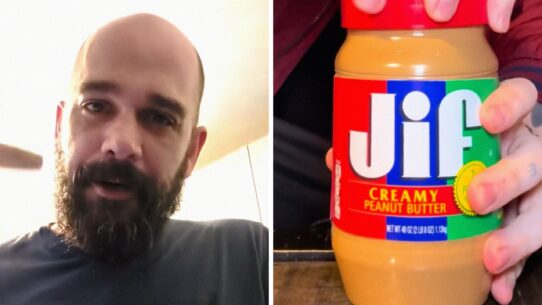
On July 24, Toney Basulto (@anferney69) showed viewers the meat he says he purchased from the store in a viral video that has amassed 1.8 million views as of this writing.
“At your local Fred Meyer’s, get your 3D printed meat,” he said.
What Was Unusual About the Meat Purchased From Fred Meyer?
He proceeds to show viewers the smooth and block-like appearance of the meat.
“Look at the layers, dude,” he said. “Look at how stiff it is … It’s like 3D-printed meat.”
Overwhelmingly, commenters are convinced he was sold horse meat.
“That’s horse meat 100%,” wrote one commenter.
“Y’all got that first round of the Kentucky Derby special,” added another.
“That’s one of them wild horses bro,” added another.
Why Did The Meat From Fred Meyer Look ‘3D-Printed’?
The strange appearance does not necessarily mean the shopper found anything unusual in the meat. Several ordinary processing techniques can make beef look much more uniform, compact, or layered than the steaks consumers typically picture when they think of fresh meat.
One possibility involves restructured or formed meat products, which can combine smaller pieces of meat into a more uniform shape. Food processors use different techniques to create consistent portions, and those processes can produce visible seams or layers.
The USDA also recognizes mechanically separated and advanced meat-recovery products. However, those products face specific rules about how they can appear and how manufacturers must label them.
Could the Meat From Fred Meyer be Horse Meat?
Many viewers speculated that the meat in question is horse meat. There is no reliable way to identify horse meat by looking at the meat in the TikTok video.
However, it would be particularly unlikely for a normally labeled package to contain horse meat at a major American grocery store. The USDA says that no USDA-inspected horse slaughter plants currently operate in the United States. Additionally, federal law requires commercially sold meat from regulated livestock to undergo inspection.
Federal regulations historically addressed inspected equine products and required equine carcasses and meat to carry markings identifying the animal species before sale or transportation. The USDA also removed an obsolete regulation concerning voluntary horse inspection in 2025 after a court had previously vacated the underlying inspection program.
Horse-meat substitution has happened before, particularly in Europe, where a major 2013 scandal revealed horse DNA in products marketed as containing beef. However, the larger trend here involves consumers encountering increasingly processed and standardized meat products that sometimes look different from traditional cuts. Processing can alter texture and appearance without changing the species of animal involved.
Subplot News reached out to Basulto for comment via TikTok direct message and comment, and to Fred Meyer via email. We will update this story if they respond.
@anferney69 #3DPrintedMeat at your local Fred Meyers 😭🤣 #fypシ ♬ original sound – Toney Basulto